

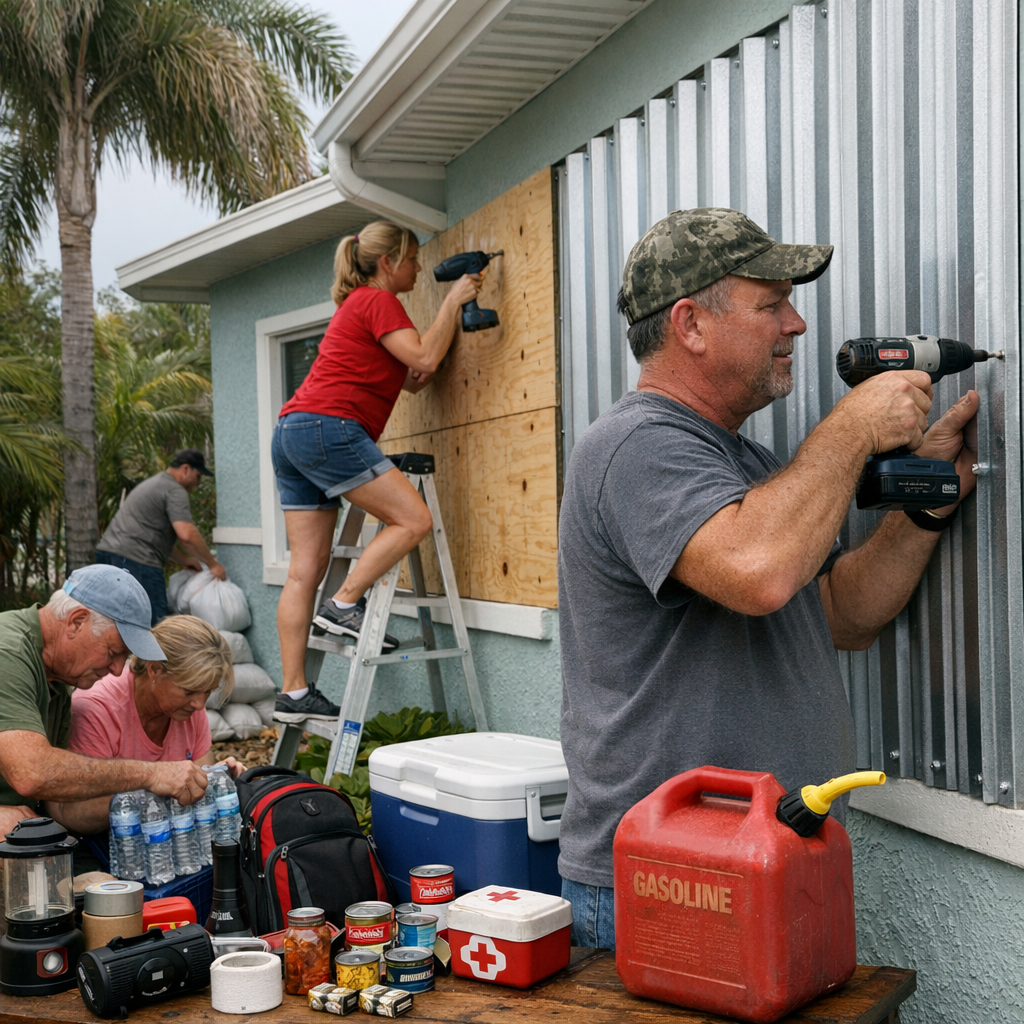
As residents of St. Petersburg, Florida, we are all too familiar with the annual hurricane season that spans from June 1 to November 30. Proactive preparation is crucial to safeguard our families, homes, and community. This guide outlines essential steps and resources to help you stay prepared.
Understanding Hurricane Categories and Warnings
Hurricanes are classified using the Saffir-Simpson Hurricane Wind Scale, ranging from Category 1 (74-95 mph winds) to Category 5 (156+ mph winds). Each category indicates the potential severity of damage. It’s vital to understand the difference between a hurricane watch and a warning:
- Hurricane Watch: Conditions are possible within 48 hours.
- Hurricane Warning: Conditions are expected within 36 hours.
Stay informed through reliable sources like the National Weather Service and local news outlets.
Developing a Family Emergency Plan
Creating a comprehensive emergency plan ensures that all family members know their roles during a hurricane. Key components include:
- Evacuation Routes: Familiarize yourself with local evacuation zones and routes. Practice these routes with your family to ensure everyone is prepared.
- Communication Plan: Designate a meeting point and establish a method to contact each other if separated.
- Special Needs Considerations: Plan for family members with special needs, including medical equipment and medications.
For detailed guidance, refer to the Florida Department of Health’s hurricane preparedness resources.
Assembling an Emergency Supply Kit
A well-stocked emergency kit is essential. Include the following items:
- Non-perishable food and water (at least a three-day supply)
- First aid kit and necessary medications
- Flashlights with extra batteries
- Personal hygiene items
- Important documents in a waterproof container
- Cash and credit cards
- Battery-powered or hand-crank radio
Regularly check and update your kit to ensure all items are in working order and not expired.
Securing Your Home
Protecting your property minimizes potential damage:
- Windows and Doors: Install storm shutters or board up windows with plywood.
- Outdoor Items: Bring in or secure outdoor furniture, decorations, and other loose items.
- Landscaping: Trim trees and shrubs to reduce the risk of falling branches.
- Roof and Gutters: Inspect and repair any damage to prevent leaks and ensure proper drainage.
For more detailed information, consult the St. Petersburg Housing Authority’s hurricane preparedness guidelines.
Staying Informed and Connected
Timely information is critical during hurricane season:
- Alert Pinellas: Sign up for emergency notifications via phone, text, or email.
- Ready Pinellas App: Access emergency planning tools, checklists, and shelter information.
- Local News and Weather Services: Regularly monitor updates from trusted sources.
Community Resources and Support
St. Petersburg offers various resources to assist residents:
- Pinellas County Emergency Management: Provides comprehensive information on preparedness, evacuation zones, and shelters.
- Florida Department of Health in Pinellas County: Offers guidance on health-related preparedness and response.
- Local Shelters: Identify the nearest shelters and understand their policies, especially regarding pets and special needs.
By taking these proactive steps and utilizing available resources, we can enhance our resilience and ensure the safety of our community during hurricane season.